
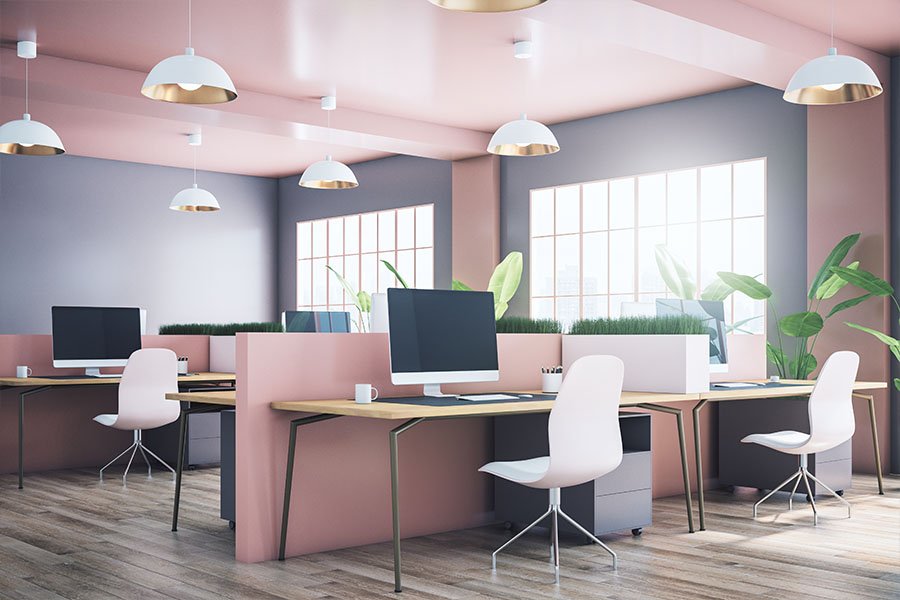
3 Office Design Mistakes We See Companies Making (And How to Avoid Them)
Office redesign represents a significant investment – of capital, time, and organizational energy. Yet we regularly encounter beautifully designed spaces that frustrate their users daily, visually stunning offices where productivity suffers, and expensive renovations that require costly corrections within months.
As office interior designers in Noida, we’ve seen these patterns repeat across hundreds of projects. The good news? Most office design failures are entirely preventable. They stem from common misconceptions about what makes workspaces function well, budget pressures that encourage short-term thinking, and underestimating the complexity of creating environments where people thrive.
This article examines three critical mistakes we encounter regularly in office design projects across Noida and the broader NCR region. More importantly, we’ll show you how to avoid them – saving money, time, and the frustration of living with a space that looks great in photographs but fails in daily use.
Introduction: Common Pitfalls in Office Redesign Projects
The office design process seems deceptively straightforward: determine your budget, hire designers, select furniture, and execute the plan. In reality, creating exceptional workspaces requires navigating countless decisions where the wrong choice creates problems that compound over time.
We’ve walked into too many offices where companies tell us the same story: “It looked perfect in the renderings, but now that we’re using it…” The disconnect between vision and reality often traces back to fundamental mistakes made early in the process – mistakes that professional office interior designers in Noida know to avoid but that aren’t obvious to organizations designing their first or even second workspace.
These aren’t small oversights. They’re substantial missteps that:
- Reduce employee productivity and satisfaction
- Increase operational costs
- Require expensive corrections
- Create frustration that affects morale
- Waste the significant investment you’ve made
The pattern we see most often? Companies focus intensely on visual aesthetics – how the office will look – while giving insufficient attention to how it will function. They prioritize elements that photograph well for social media while neglecting factors that determine whether people can actually work effectively in the space.
Let’s examine the three most common and costly mistakes, understanding not just what goes wrong but why – and how to get it right.
Mistake 1: Prioritizing Aesthetics Over Acoustics
Walk into many modern offices and you’ll be struck by the visual impact: soaring ceilings, open floor plans, sleek furniture, and abundant glass. Spend an hour working there, though, and a different reality emerges – constant noise distraction, difficulty concentrating, and the exhaustion that comes from trying to focus in an acoustically chaotic environment.
This is the most pervasive mistake we encounter, and it’s particularly common in Noida’s newer office developments where open-plan layouts dominate.
Why This Happens
The preference for open offices stems from several factors:
- They photograph beautifully, creating impressive marketing materials
- They feel democratic and collaborative
- They maximize visible density – more people in less space
- They cost less to build than offices with acoustic treatments
The problem? Acoustic quality is invisible in photographs but dramatically affects daily experience. Companies invest heavily in aesthetics while treating acoustics as an afterthought, if they consider it at all.
The Real Cost
Poor acoustics aren’t just annoying – they’re expensive:
Productivity Loss: Research consistently shows that noise distractions can reduce productivity by 15-20%. For a team of 50 people, that’s the equivalent of losing 7-10 full-time employees’ output.
Cognitive Fatigue: Working in noisy environments requires constant mental filtering of irrelevant sounds. This depletes cognitive resources, leaving people exhausted even when they haven’t accomplished much.
Communication Quality: Ironically, spaces designed to encourage collaboration often make conversation difficult. When background noise is high, people either avoid discussions or hold them at volumes that disturb others further.
Privacy Concerns: In acoustically poor spaces, confidential conversations become public. This affects everything from HR discussions to client calls to sensitive project planning.
What Good Acoustics Look Like
The best office interior designers in Noida approach acoustics systematically:
Material Selection: Acoustic performance guides material choices:
- Ceiling tiles that absorb sound rather than reflect it
- Carpet or acoustic flooring in high-traffic areas
- Fabric-wrapped panels on walls
- Furniture with sound-absorbing properties
- Acoustic dividers between workstations
Spatial Zoning: Different activities have different acoustic needs:
- Quiet focus zones with maximum sound control
- Collaborative areas where conversation is expected
- Phone booths for private calls
- Meeting rooms with proper sound isolation
- Buffer zones between loud and quiet areas
Architectural Solutions:
- Varied ceiling heights that prevent sound from traveling uniformly
- Strategic placement of solid walls to block sound transmission
- Sound masking systems that provide consistent background noise
- Separation of mechanical systems from occupied spaces
Furniture as Acoustic Tool: Modern acoustic solutions include:
- High-backed sofas that create conversation pockets
- Suspended acoustic baffles that look sculptural
- Desk screens that provide visual and acoustic privacy
- Modular walls that can be reconfigured
How to Avoid This Mistake
Include Acoustic Consultants Early: Don’t treat acoustics as a late-stage consideration. The best results come from acoustic analysis during initial space planning.
Test Materials: Acoustic performance varies significantly between similar-looking materials. Your designers should provide actual acoustic data, not assumptions.
Visit Reference Projects: Spend time in completed spaces designed by your potential design firm. How do they sound during active work hours?
Budget Appropriately: Quality acoustic treatments cost money. A space that looks 90% as impressive but performs 50% better acoustically is always the right choice.
Measure Success Objectively: After occupancy, measure actual noise levels and gather employee feedback. Be prepared to make acoustic improvements if needed.
Mistake 2: Ignoring Natural Light Opportunities
Natural light transforms how spaces feel and how people function within them. Yet we regularly encounter offices in Noida where windows are blocked by high cubicles, valuable natural light is wasted on storage areas, and employees work under artificial lighting all day despite being in buildings with excellent daylighting potential.
Why This Happens
Several factors contribute to poor natural light planning:
Legacy Layout Thinking: Traditional office planning placed senior leadership along windows and junior staff in interior areas. This hierarchy persisted even as research showed natural light’s universal benefits.
Furniture Planning Disconnect: Companies plan furniture layouts without considering how they’ll interact with existing windows and light patterns.
Heat Concerns: In Noida’s climate, large windows can increase cooling loads. Some designers respond by minimizing window use rather than managing solar heat gain intelligently.
Cost Cutting: Natural light strategies sometimes require additional investment in light shelves, smart glass, or sophisticated window treatments. These get cut when budgets tighten.
The Impact
The consequences of ignoring natural light are substantial:
Health Effects: Exposure to natural light regulates circadian rhythms, affecting sleep quality, mood, and overall health. Employees in poorly lit spaces experience:
- Disrupted sleep patterns
- Higher stress levels
- Increased eye strain and headaches
- Seasonal affective symptoms
Productivity: Studies consistently link access to natural light with improved productivity. One study found that workers near windows experienced 51% less eye strain, 63% fewer headaches, and 56% less drowsiness.
Energy Costs: Paradoxically, ignoring natural light often increases energy consumption. Spaces that maximize daylight reduce lighting costs while potentially decreasing cooling loads if heat gain is managed properly.
Space Appeal: Natural light makes spaces feel larger, more inviting, and more pleasant. Its absence makes even well-designed offices feel institutional.
What Good Daylighting Design Looks Like
Office interior designers in Noida who understand daylighting create strategies that include:
Democratic Light Access: Rather than concentrating perimeter offices along windows:
- Open floor plans allow light penetration
- Glass-fronted offices let light pass through to interior areas
- Strategic placement of collaborative spaces near windows
- Interior workstations positioned to benefit from borrowed light
Daylight Depth Strategies: Light penetration typically extends about 15-20 feet from windows. Good design maximizes this through:
- Lower partition heights that allow light to travel
- Reflective interior surfaces that bounce light deeper into space
- Light shelves that direct daylight toward ceilings
- Skylights or clerestory windows in deeper floor plates
Heat Gain Management: The best office interior designers in Noida balance light and heat:
- External shading devices that block direct sun while admitting diffuse light
- Smart glass that tints automatically based on solar conditions
- Strategic window orientation based on building position
- High-performance glazing that admits light while blocking infrared radiation
Glare Control: Natural light without glare control creates different problems:
- Adjustable blinds or shades at all windows
- Matte rather than glossy finishes that won’t create reflections
- Screen positioning that avoids direct light and reflections
- Task lighting for times when daylight is insufficient
View Preservation: Natural light is most beneficial when it includes views to outdoors:
- Avoiding high cubicles or storage that blocks sightlines
- Creating visual connections to landscape or skyscape
- Using transparent or translucent materials where privacy is needed but views should remain
How to Avoid This Mistake
Conduct Daylighting Analysis: Before finalizing layouts, analyze how natural light moves through your space at different times of day and year. This should inform furniture placement and partition heights.
Prioritize Light in Space Planning: Make access to natural light a primary consideration, not a secondary one. If your furniture plan blocks windows, revise the furniture plan.
Invest in Window Treatments: Don’t compromise on window treatment quality. The right solutions allow you to manage light effectively throughout the day.
Consider Light Quality: Not all artificial lighting is created equal. Where natural light is limited, invest in high-quality LED systems with appropriate color temperature and high CRI (Color Rendering Index).
Plan for Flexibility: Needs change with seasons and as trees outside grow or are removed. Design systems that can adapt to changing conditions.
Mistake 3: One-Size-Fits-All Workspace Planning
Perhaps the most fundamental mistake in office design is assuming that all employees work the same way and therefore need the same type of workspace. This leads to offices full of identical workstations, uniform meeting rooms, and limited variety in work settings – despite the reality that different tasks require different environments.
Why This Happens
Simplicity: Standardized solutions are easier to plan, specify, and implement. Ordering 100 identical desks is simpler than creating diverse work settings.
Perceived Fairness: Some organizations worry that providing different workspace types suggests inequity. Everyone gets the same desk, so everyone is treated equally.
Cost Assumptions: Companies assume variety costs more than standardization, though this isn’t always true.
Legacy Thinking: “This is how offices have always been” remains a powerful force, even when research shows better approaches exist.
The Reality of How People Work
Modern knowledge work isn’t uniform. In any given week, employees might:
- Need deep focus for complex analytical work
- Collaborate intensively with teammates on projects
- Take numerous phone or video calls
- Engage in creative brainstorming
- Review documents requiring concentration
- Have informal conversations that spark innovation
- Need private space for sensitive discussions
Each of these activities performs better in different environmental conditions. Office interior designers in Noida who understand this create what’s called “activity-based working” environments.
What Activity-Based Design Looks Like
Instead of assigning everyone identical workstations, activity-based environments provide variety:
Focus Zones:
- Individual workstations with acoustic privacy
- Quiet rooms for concentration work
- Library-style settings with minimal distraction
- Enclosed spaces for tasks requiring extended focus
Collaboration Spaces:
- Project rooms teams can occupy for intensive periods
- Informal meeting areas for quick discussions
- White-boarding walls for visual thinking
- Flexible furniture that reconfigures for different group sizes
Social Spaces:
- Coffee bars and cafe-style seating
- Comfortable lounges for informal conversation
- Outdoor terraces where climate permits
- Game or relaxation areas for mental breaks
Hybrid Meeting Spaces:
- Rooms specifically designed for video calls with remote participants
- Phone booths for private conversations
- Small meeting rooms for confidential discussions
- Large conference rooms for formal presentations
Individual Choice: The key is allowing employees to select their environment based on their current task. This might mean:
- No assigned seating (or assigned “home base” with freedom to work elsewhere)
- Booking systems for specialized spaces
- Clear guidelines about how different zones should be used
- Sufficient variety that everyone can find appropriate space
How the Best Designers Implement This
The best office interior designers in Noida follow a systematic approach:
Discovery Research: Before designing, they research:
- What types of work the organization actually does
- Time allocation across different activities
- Team structures and collaboration patterns
- Technology requirements for different tasks
- Current pain points with existing space
Space Programming: Based on this research, they calculate:
- What percentage of space should support each activity type
- Peak occupancy patterns to avoid over or under-providing
- Adjacencies – which spaces should be near each other
- Support spaces needed (storage, printing, pantry, etc.)
Pilot and Iterate: Rather than implementing everywhere at once:
- Create pilot areas with new configurations
- Gather user feedback
- Refine the approach
- Roll out the tested solution more broadly
Change Management: New ways of working require cultural adjustment:
- Explaining the logic behind different zones
- Training on how to use booking systems
- Leadership modeling new behaviors
- Gathering ongoing feedback
How to Avoid This Mistake
Resist One-Size-Fits-All Thinking: If your design proposal shows rows of identical workstations, push back. Ask how the design accommodates different work modes.
Involve Employees: Talk to the people who’ll use the space daily. What do they struggle with currently? What would help them work better?
Study Your Work Patterns: Before designing, understand how your organization actually works. Time studies or surveys can reveal the mix of activities that need support.
Calculate Space Sharing: Not everyone needs to be in the office simultaneously, and even those present don’t need personal desks all day. Smart sharing ratios can provide more variety within the same footprint.
Plan for Evolution: Work patterns change. Design systems that can adapt as your organization’s needs evolve.
The Value of Local Expertise
While design principles are universal, their application varies by region. Office interior designers in Noida bring specific advantages:
Climate Knowledge: Understanding how to balance natural light with heat gain in Noida’s intense summers, or how to specify materials that perform well in monsoon humidity.
Vendor Networks: Established relationships with local manufacturers, suppliers, and contractors who deliver quality work on schedule.
Regulatory Familiarity: Knowledge of local building codes, approval processes, and regulatory requirements that affect timelines and costs.
Market Understanding: Insight into what works in the local market – from talent expectations to client impressions to space efficiency norms.
Accessibility: Local designers can visit your site easily, respond quickly to issues during construction, and provide post-occupancy support.
Red Flags to Watch For
Certain warning signs suggest you might be working with designers who’ll lead you into these common mistakes:
Too Quick to Solutions: If designers propose specific design directions before thoroughly understanding your needs, they’re likely applying templates rather than creating customized solutions.
All Visuals, No Data: If presentations focus exclusively on how spaces will look without addressing how they’ll perform acoustically, energetically, or functionally, aesthetics are dominating appropriately.
Dismissing Your Concerns: If you raise questions about acoustics, flexibility, or storage and get dismissive responses like “don’t worry, it’ll be fine,” your concerns aren’t being taken seriously.
Lowest Bid Fixation: If a designer’s primary selling point is being cheapest, they’re likely cutting corners that will create the very problems we’ve discussed.
No Post-Occupancy Support: If the relationship ends when construction does, you’re on your own when issues emerge.
Conclusion: The ROI of Getting It Right the First Time
Office design mistakes aren’t just frustrating – they’re expensive. Consider the real costs:
Direct Financial Costs:
- Renovations to fix acoustic problems: ₹500-1500 per square foot
- Replacing inadequate furniture: 40-60% of original furniture budget
- Adding storage after occupancy: ₹200-400 per square foot
- Reconfiguring inflexible spaces: ₹800-2000 per square foot
Productivity Losses:
- Poor acoustics reducing efficiency: 15-20% productivity decrease
- Inadequate workspace variety forcing inefficient work: 10-15% productivity loss
- Insufficient storage creating disorganization: 5-10% efficiency reduction
- Poor lighting affecting wellbeing: 10-12% productivity impact
Opportunity Costs:
- Employee dissatisfaction affecting retention
- Difficulty recruiting in competitive talent markets
- Space constraints limiting business growth
- Client impressions affecting business development
For a 100-person company in Noida, these mistakes easily cost ₹50-75 lakhs annually in lost productivity alone – not counting direct renovation costs or business opportunity losses.
Now consider the alternative: investing in quality design from the start:
Higher Initial Investment: Working with the best office interior designers in Noida might cost 15-20% more than bargain alternatives. For a 10,000 square foot office, this might mean spending ₹1.2 crores instead of ₹1 crore.
The math is clear: getting office design right the first time delivers exceptional ROI. The mistakes we’ve discussed – prioritizing aesthetics over acoustics, ignoring natural light, one-size-fits-all planning, overlooking storage, and forgetting scalability – are entirely avoidable with the right design partner.
Your office is more than a place to work. It’s an investment in your team’s productivity, a tool for attracting and retaining talent, a reflection of your brand values, and a platform for your organization’s success. Don’t let common mistakes undermine that investment.
Choose design partners who understand that beautiful spaces must also be functional ones. Invest the time in proper discovery and planning. Prioritize the invisible factors – acoustics, lighting, flexibility – that determine whether people thrive in your space. And recognize that the cheapest option upfront is rarely the most economical over time.
The organizations that treat workspace design as a strategic priority – avoiding these common mistakes through experienced partnerships and thoughtful planning – find their offices becoming genuine competitive advantages. Isn’t that worth getting right?
At AIA, we’ve designed hundreds of offices across Noida and the NCR region, helping organizations avoid these common pitfalls while creating spaces that work beautifully for years. If you’re planning an office redesign, we’d welcome the opportunity to discuss how we can help you get it right the first time. Connect with our team to explore your vision.
